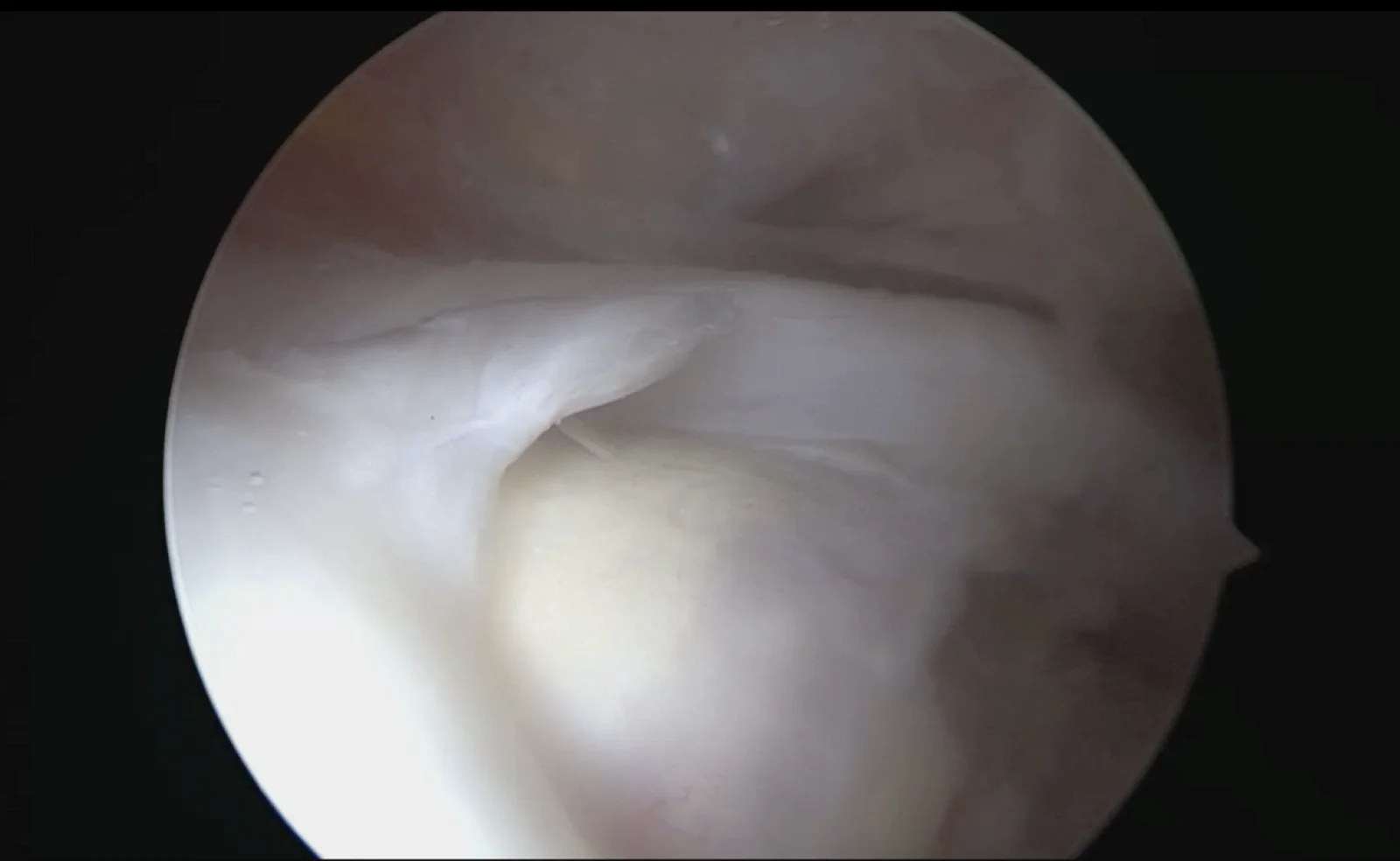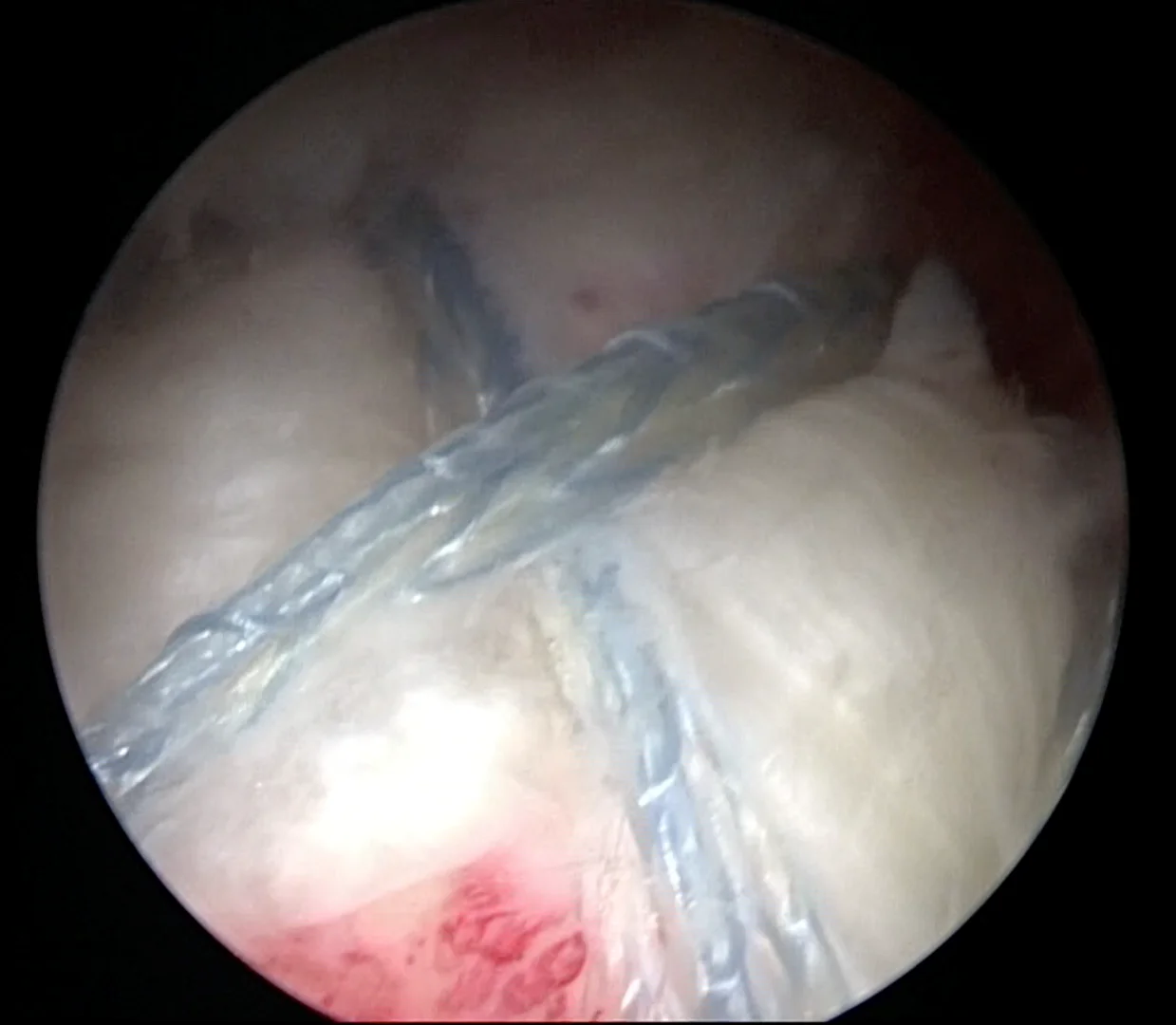


The shoulder is a joint with a very wide range of motion. When you think about the movements we make in daily life, you will realize how much the shoulder moves and how indispensable it is. Because its range of motion is so wide, balance in the shoulder is very important, and many anatomical structures work to maintain this balance. In particular, the bones do not fit together tightly; this increases the range of motion, but at the expense of the balance we call stability. When this delicate structure is disrupted, orthopedics steps in to help with treatment.
In addition to the large muscles that move the arm, there are short-tendon muscles called the rotator cuff that contribute to movement and provide balance. Thanks to these muscles, the shoulder moves smoothly.
The rotator cuff muscles can sometimes wear out and even tear due to overuse or trauma.

In this case, you may feel pain every time you move your shoulder and even at rest. If the muscle is torn, you may have difficulty moving your shoulder.
If you have these kinds of complaints and see an orthopedic specialist, your doctor will tell you whether there is wear or a tear in your shoulder and, if necessary, will order an X-ray and an MRI.
The vast majority of rotator cuff problems in the shoulder can be corrected without surgery, with medication, exercise and physical therapy. What matters is seeing an experienced orthopedic surgeon, getting the right diagnosis and starting the right treatment.
If the problem is advanced enough to require surgery, the orthopedic surgeon will determine which surgical procedure is right for you. Today, almost all shoulder problems can be treated with arthroscopic (closed) surgery.
Inflammation of the shoulder bursa and rotator cuff wear and tears can be successfully cleaned and repaired arthroscopically.