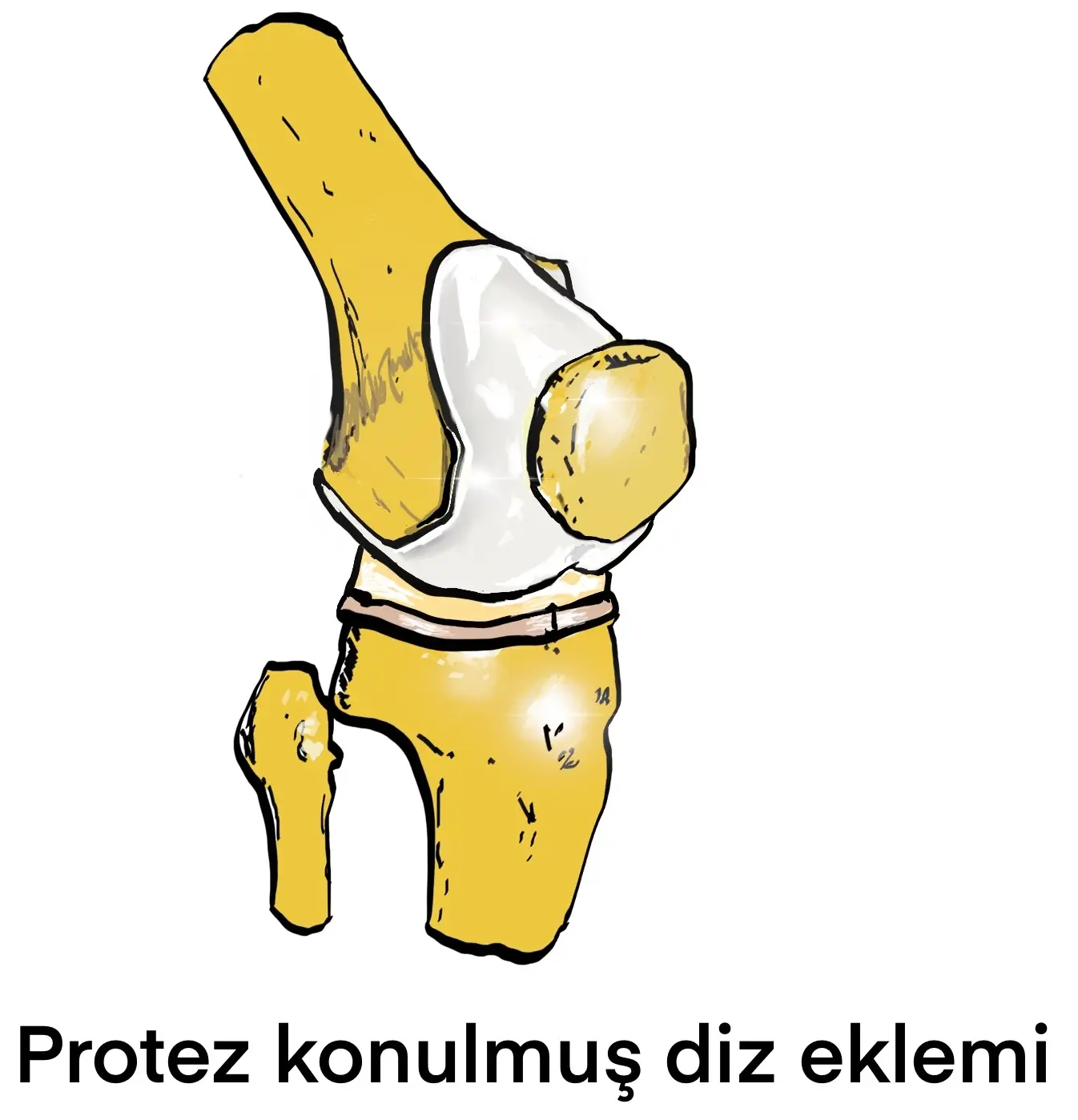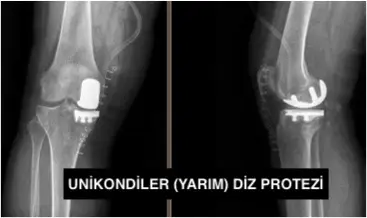


Knee replacement (knee arthroplasty) is the surgery in which the worn cartilage surfaces of the knee joint are replaced with metal prostheses. The term arthroplasty refers to the replacement of joint surfaces; when it is done for the knee, it is called knee arthroplasty. Hip, shoulder and elbow arthroplasty are the names given to surgeries that replace the surfaces of those joints.
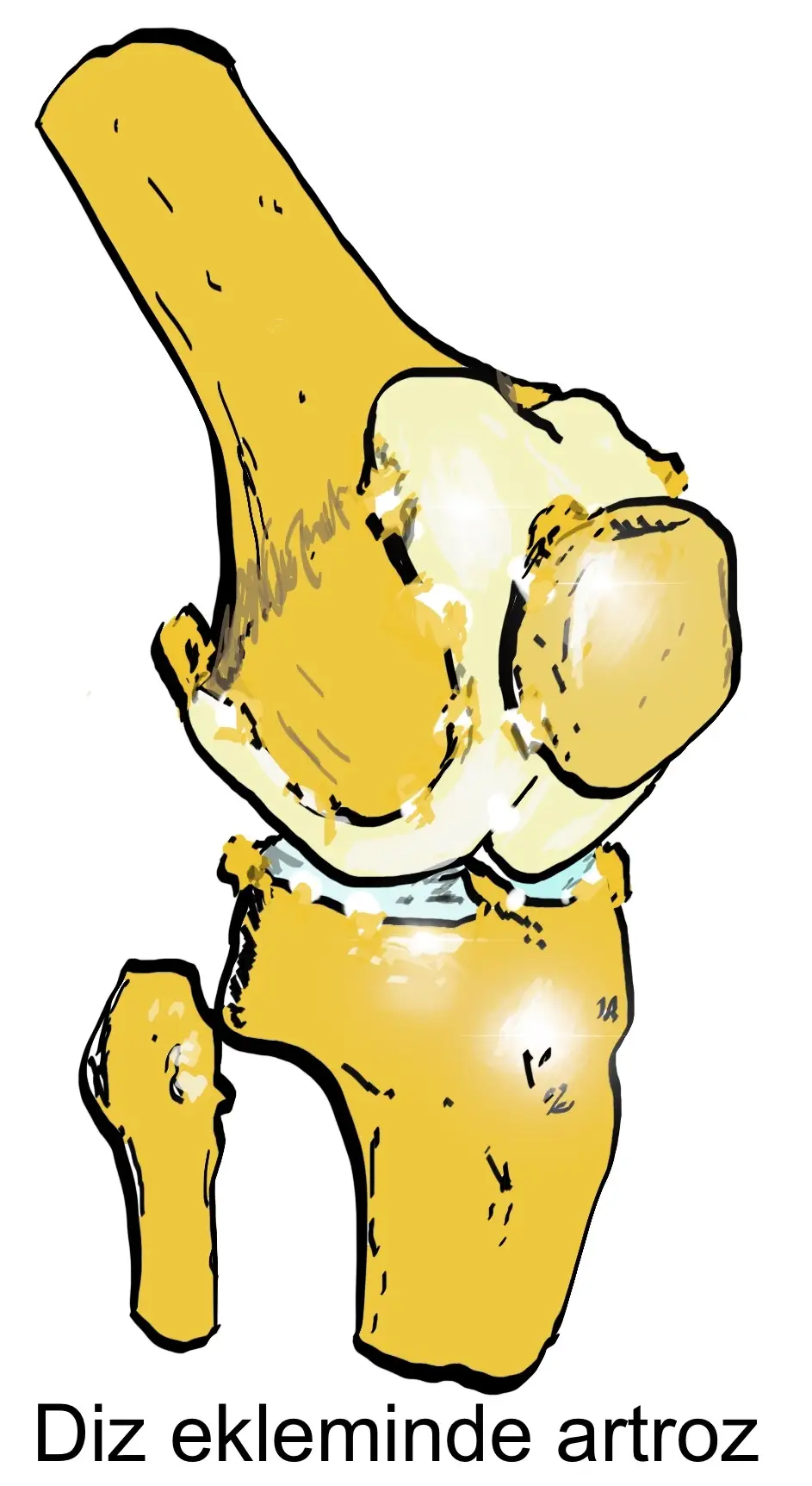
It is the most effective treatment for arthrosis, the wear of the joint surfaces commonly referred to as “calcification” in Turkish. It is also popularly described as replacing the kneecap, but this term is not entirely accurate.
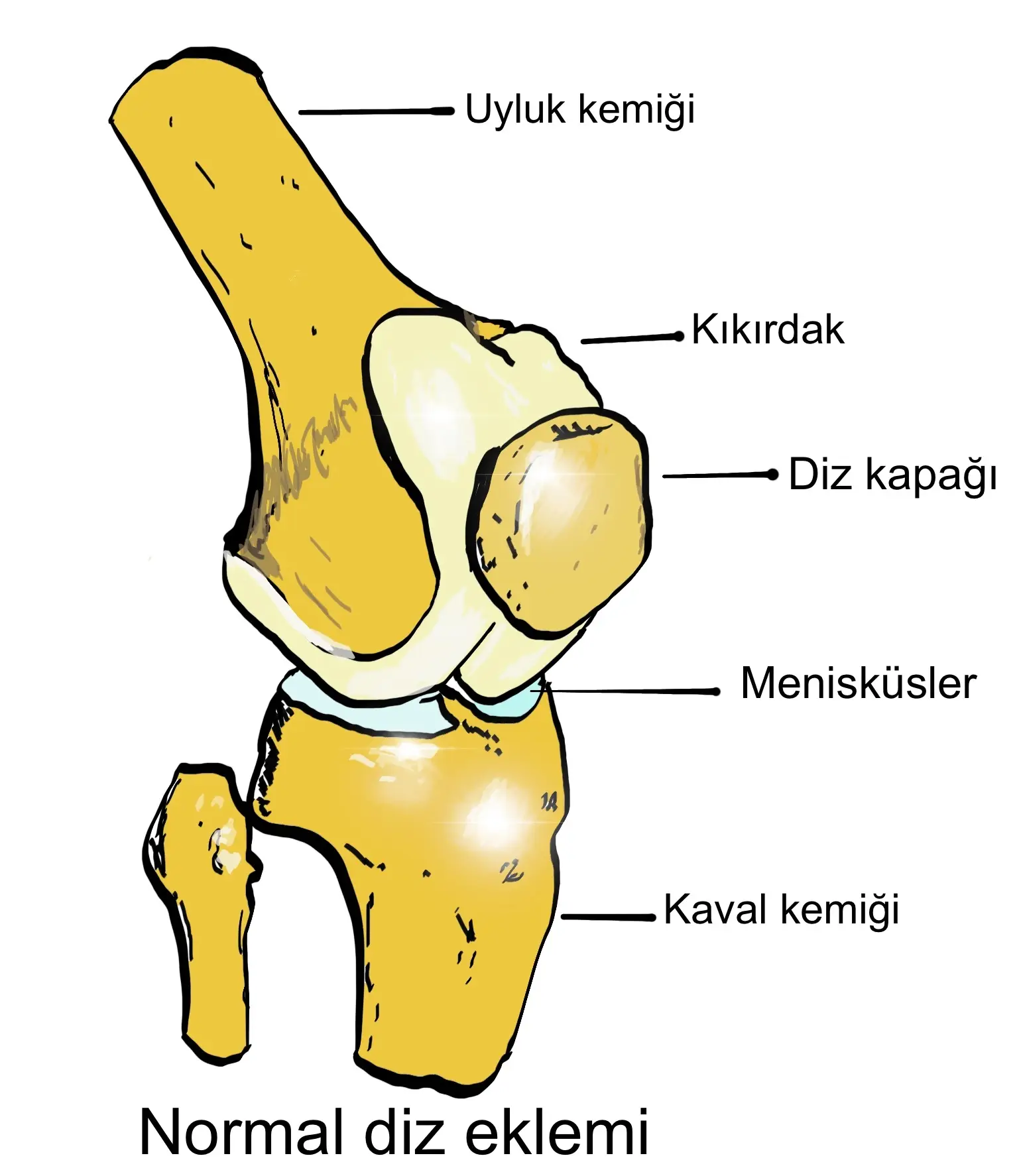
Arthrosis is usually a problem related to aging, but it can also develop in young people after certain fractures or some rheumatic diseases. The knee joint is formed by the lower end of the thigh bone (femur), the upper end of the shin bone (tibia) and the back surface of the kneecap (patella), and it carries the entire body weight. The joint surfaces of these bones are covered with a flexible, slippery tissue called cartilage, which allows the joint to move freely without friction. To make this movement easier, there are structures called menisci between the joint surfaces. In addition, the joint capsule secretes a slippery fluid so that this movement happens perfectly. Likewise, the ligaments in and around the joint keep the knee stable, preventing it from sliding from side to side as it moves. This remarkable balance can deteriorate over time, and when the wear reaches very advanced stages, knee replacement may be the last resort.
The most important factor leading a patient to knee replacement is pain. Pain with movement that also keeps you awake at night is an important sign for replacement. No matter how advanced the arthrosis is, a replacement may not always be necessary. The key is the combination of advanced arthrosis and severe pain. Sometimes the alignment of the knee joint can become severely distorted and affect the joints above and below as well as the spine. In these cases, we recommend a replacement to the patient. In other cases, the patient’s wish for a replacement because of pain leads us to perform the surgery. You can find treatment alternatives that can be tried before deciding on a replacement under the other headings on our website. This page is intended to provide information about knee replacement.
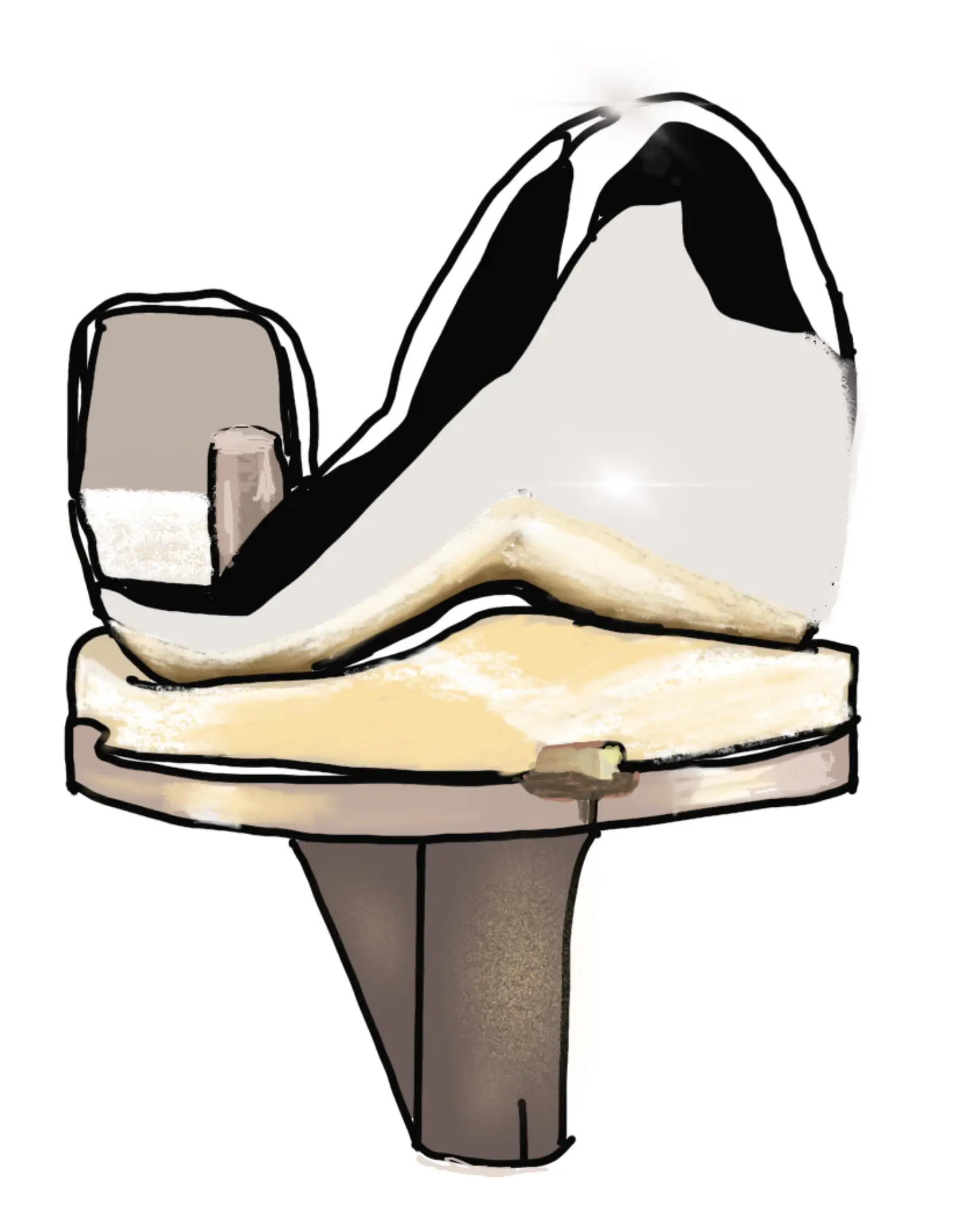
The implants called prostheses consist of components that replace the lower end of the thigh bone (femur), the upper end of the shin bone (tibia) and the back surface of the kneecap (patella). These components are usually made of cobalt-chrome for the femur side and titanium for the tibia. Between these two parts there is a special plastic material called polyethylene that provides fit and smooth gliding. The back surface of the patella is also made of polyethylene, but it does not need to be replaced in every surgery.
A knee replacement lasts about 25–30 years, but this figure is determined under optimal conditions. Many parameters determine the lifespan of a prosthesis. The main ones are the balance adjustments made during surgery, the materials used, the engineering details of the design, how the patient uses it and the patient’s weight. It is preferred to perform replacement surgery at the latest time the patient’s health allows. The main reason is that as age increases, the patient’s activity naturally decreases, and wear of the prosthesis decreases accordingly. However, there is a fine line here. Keeping in mind that with advancing age your health may no longer allow replacement surgery, you should determine the optimal timing together with your surgeon.
Replacement surgery is irreversible and may carry certain specific risks. Worldwide, these risks are reported to be below 1%, but they are still not zero. Blood clots (embolism) during and after surgery, loosening of the prosthesis, infection of the prosthesis, dislocation of the prosthesis and fractures around the prosthesis are the main risks, and treating them can be a somewhat demanding process. However, if everything goes well, considering the ease a prosthesis will bring to their lives, patients find it reasonable to accept these risks. The final decision must always be made by the patient. The doctor and the patient’s family will provide every kind of support.
Once the decision for a replacement is made, there are many preparations to be done beforehand. Your doctor and the support staff will explain these in detail, and all preparations should be done one by one without rushing. A hospital stay of 3–4 days is usually recommended after surgery. During this time, your health will be closely monitored, and physiotherapists will begin training you to walk and use the prosthesis on the evening of the surgery or the next morning. We recommend walking practice with a walker at home and near your home for about 1 month after surgery. After that, we allow shopping trips and long-distance walks.
Please talk to your doctor about what kind of replacement surgery you will have, the advantages and disadvantages of the surgery, any risks specific to you, which brand and type of prosthesis will be used, and the postoperative period.