

The shoulder joint has a very wide range of motion. This allows us to reach anywhere with our hands and perform complex movements. For a joint to move this freely, its joint surfaces must not fit too deeply into each other, and the shoulder joint is built this way. The bones that form the joint surfaces do not hold onto each other tightly. The soft tissues around the shoulder keep it from dislocating during wide movements.

Like a wheel chock placed in front of the tire of a truck parked downhill to keep it from rolling, the labrum prevents the arm bone from slipping out of the shoulder joint.

The ligaments and muscles surrounding the shoulder also keep it in place.
The shoulder joint usually dislocates due to trauma such as a fall or impact while the arm is raised out to the side or held overhead. It usually dislocates forward. The arm drops to the side and there is severe pain. In this case, do not try to put it back yourself; see an orthopedic specialist. The specialist will examine you, take an X-ray and reduce the dislocation. Usually, 3 weeks of rest is enough to begin with. The labrum is usually torn during the dislocation.

Sometimes fractures may accompany the dislocation; depending on the fracture, surgical or non-surgical treatment is chosen.
Shoulder dislocations can recur. Dislocations at a young age in particular are more prone to recurring. If the shoulder has dislocated more than twice, patients may avoid many activities for fear that it will dislocate again. Sometimes the shoulder can dislocate even in simple situations such as sleeping or sneezing. These types of dislocations are called habitual shoulder dislocation or shoulder instability. In some patients who are naturally very flexible, the shoulder joint can also dislocate easily without any trauma.
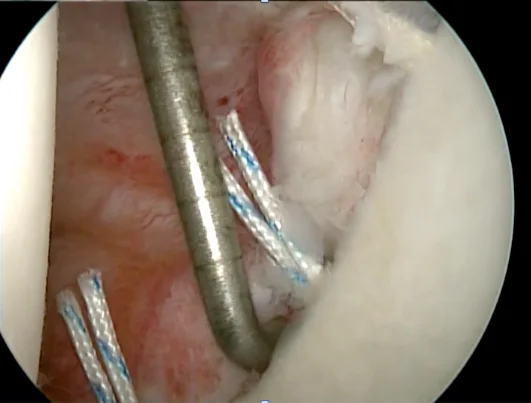
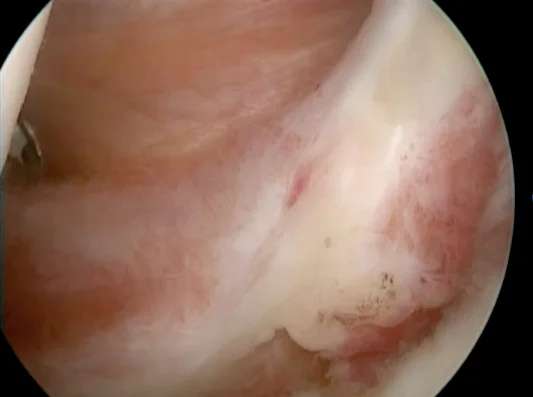
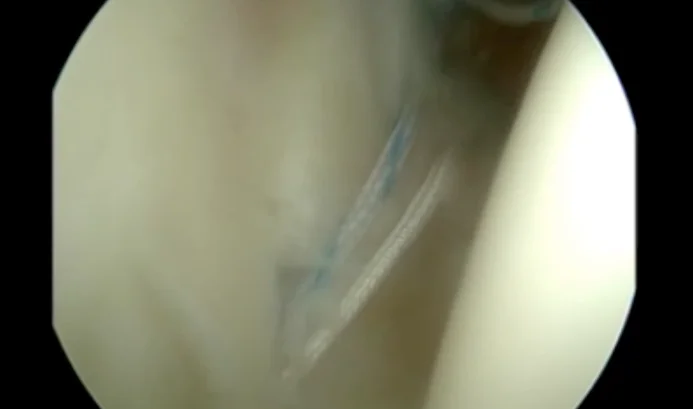
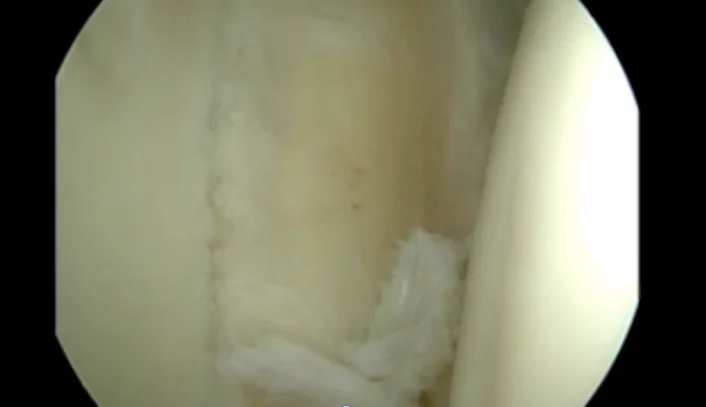
If shoulder dislocations recur, they can be corrected with surgery. In suitable patients, using arthroscopic methods with a completely closed technique, cameras are inserted through a few small holes to repair the labral tear that causes recurrent dislocation, and the loosened shoulder capsule can be restored to its former tension.
If the dislocation occurred together with a fracture, the repair is again done arthroscopically or, when necessary, with open surgery.
After a rest period of about 5 weeks, you can regain your former health with a good physical therapy program. It may take up to 1 year before you can use your shoulder comfortably without fear of dislocation.
Which surgery will be performed, how it will be done and what program will be followed afterwards are determined by the condition of your shoulder, your activity level, your expectations and the experience of the orthopedic surgeon.